QuietNite® CO₂ laser therapy treats the soft tissue causing snoring — no CPAP, no mouthpiece, no surgery.
If your partner has been told their snoring ‘isn’t that bad,’ or if you’ve spent years nudging them awake — this page is for both of you. Snoring isn’t just a nuisance. It’s a sign the airway is working overtime. And now there’s a way to address the cause with a comfortable, in-office laser treatment that takes less than an hour.
At Scottsdale Implants & Periodontics, we take a different approach.
What Is QuietNite?
QuietNite® uses the DEKA SmartXide CO₂ laser to gently tighten and remodel the soft tissue at the back of the throat that collapses during sleep and causes snoring. The treatment works by stimulating collagen production in the soft palate and uvula — firming the tissue over time so it no longer vibrates and obstructs the airway.
Who is the Ideal Patient?
For patients looking for a CPAP alternative in Scottsdale, this approach offers a tissue-based solution rather than a mechanical one.
What’s Actually Happening When You Snore?
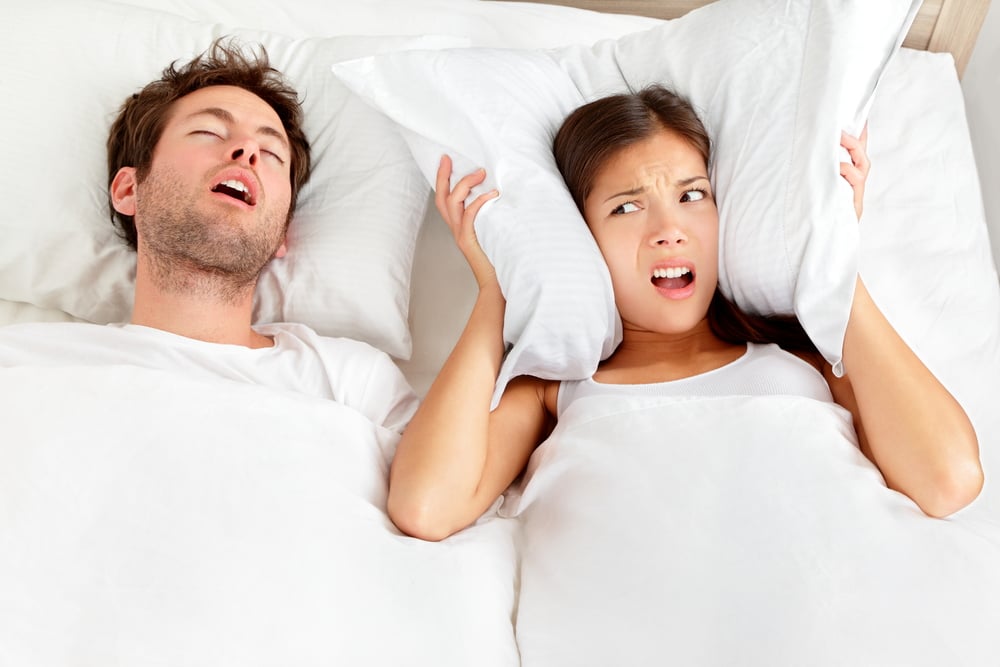
Snoring occurs when airflow becomes restricted and soft tissues vibrate during sleep.
This can lead to:
- Disrupted Sleep Quality
- Daytime Fatigue And Brain Fog
- Dry Mouth Or Sore Throat In The Morning
- Restless Or Fragmented Sleep
For many patients, snoring is not just about noise—it is a sign that the airway is under strain.
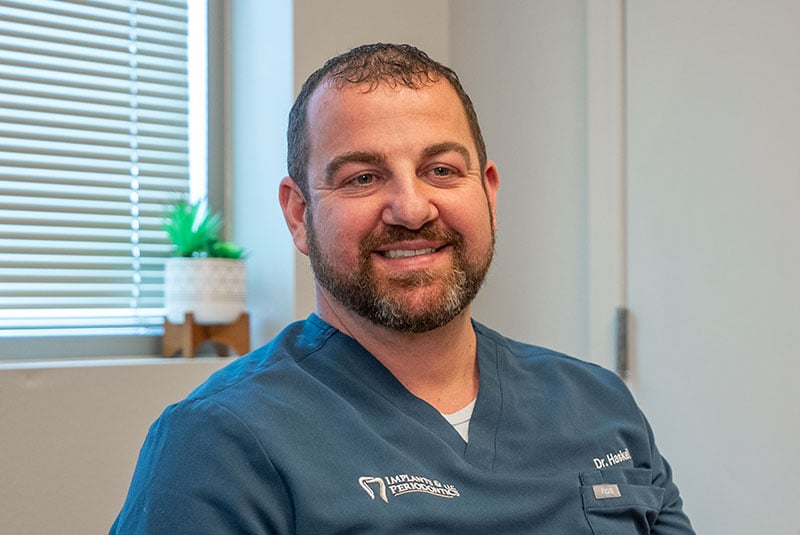
Snoring Is Treatable — Here’s How!
Signs Your Airway May Need Attention
- Loud Or Persistent Snoring
- Waking Up Feeling Unrested
- Dry Mouth In The Morning
- Daytime Fatigue Or Low Energy
- Difficulty Tolerating CPAP
- Limited Success With Other Solutions
QuietNite® Laser Treatment
The treatment gently firms the soft tissue at the back of your throat—reducing the vibration that causes snoring and improving how air moves during sleep.
We offer QuietNite® therapy using the DEKA CO₂ laser to improve airway function by addressing the soft tissue involved in snoring.
Unlike oral appliances that reposition the jaw, this treatment works by:
- Gently Tightening The Soft Palate
- Stimulating Collagen Remodeling
- Reducing Tissue Vibration
- Improving Airflow During Sleep
This allows us to treat the source of the problem rather than simply managing symptoms.
- Treatment Protocol:
- Step 1: Airway evaluation and baseline assessment
- Step 2: In-office laser treatment (45–60 min, no anesthesia)
- Step 3: 1–3 sessions spaced 4–6 weeks apart
- Step 3: 1–3 sessions spaced 4–6 weeks aparttep 4: Follow-up evaluation at 3 months
- Long-Term Maintenance:
- As with many aspects of health, results are best maintained with periodic support over time. Even after the initial treatment series, soft tissues can gradually change with age, airway dynamics, and natural collagen turnover. For this reason, annual maintenance sessions are typically recommended to help preserve results. Many patients think of this as periodic tissue rejuvenation—supporting function and stability rather than waiting for symptoms to return.
- What To Expect After Treatment:
- Minimal To No Downtime
- Mild Temporary Sensitivity Or Warmth In The Treated Area
- Gradual Improvement Over The Course Of Treatment
Many patients report:
- Reduced Snoring Intensity
- Improved Sleep Quality
- Better Daytime Energy And Focus
Additional Benefits Patients May Notice
While QuietNite® therapy is designed to improve airflow and reduce snoring, some patients notice additional benefits related to oral and throat health.
Because the treatment involves gentle laser interaction with soft tissues in the posterior oral cavity, it may also help:
- Reduce Bacterial Accumulation In Areas Such As The Tonsillar Region
- Improve Tissue Cleanliness In Hard-To-Reach Areas
- Decrease The Frequency Of Tonsil Stones For Some Patients
These effects are not the primary goal of treatment, but they can be a meaningful secondary benefit for patients who experience these concerns.
Why This Approach Is Different
Most snoring treatments are designed to manage symptoms rather than address the underlying cause.
This approach focuses on:
- Improving Soft Tissue Function
- Supporting Airway Stability
- Reducing Dependence On Devices
It also aligns with our biologic philosophy by:
- Avoiding Unnecessary Mechanical Intervention
- Supporting The Body’s Natural Tissue Response
- Providing A Minimally Invasive Solution
Important to Understand
Snoring and airway concerns exist on a spectrum.
While this treatment is highly effective for many patients with snoring or mild airway restriction, some individuals may benefit from additional evaluation or coordination with a sleep physician.
Our goal is to help you:
- Understand What Is Happening
- Identify The Most Appropriate Treatment Path
- Improve Your Sleep And Overall Quality Of Life
QuietNite® is indicated for snoring and mild airway restriction. It is not a treatment for diagnosed obstructive sleep apnea (OSA). Patients with diagnosed OSA should consult their sleep physician before discontinuing CPAP or other prescribed therapy.
Frequently Asked Questions About Snoring Treatment
How is this different from a mouth guard or appliance?
Is this a replacement for CPAP?
How long do results last?
Is the treatment uncomfortable?
Why a Periodontist for Airway Treatment?
The structures involved in snoring and airway restriction are part of the same soft tissue environment we treat every day.
With advanced laser training and a focus on tissue response and healing, this allows us to approach airway concerns in a precise, minimally invasive way.